

Decorating a nightstand starts with clearing the surface, anchoring the arrangement with a lamp, and layering items by height. Aim for three to five pieces total—mixing functional and decorative—and leave negative space so the arrangement feels intentional rather than cluttered.

Your nightstand does a lot of quiet work. It holds the lamp, the water glass, and the half-read book you’ve been meaning to finish for three months. But when it’s overloaded—or completely bare—it can quietly drag down the entire feel of the room. A thoughtfully styled nightstand, by contrast, has a grounding effect. It can make the whole bedroom feel more composed.
This guide walks you through exactly how to decorate the top of a nightstand, from gathering the right materials to the small editing decisions that separate a styled surface from a cluttered one. By the end, you’ll have a clear, step-by-step approach that balances how the nightstand looks with how it actually needs to function each day.
Understanding the Art of Nightstand Styling
Nightstand styling is, at its core, a balancing act. The surface has to look good—but it also needs to hold a phone charger, maybe a glass of water, possibly eye drops. Prioritizing aesthetics at the expense of function tends to backfire quickly.
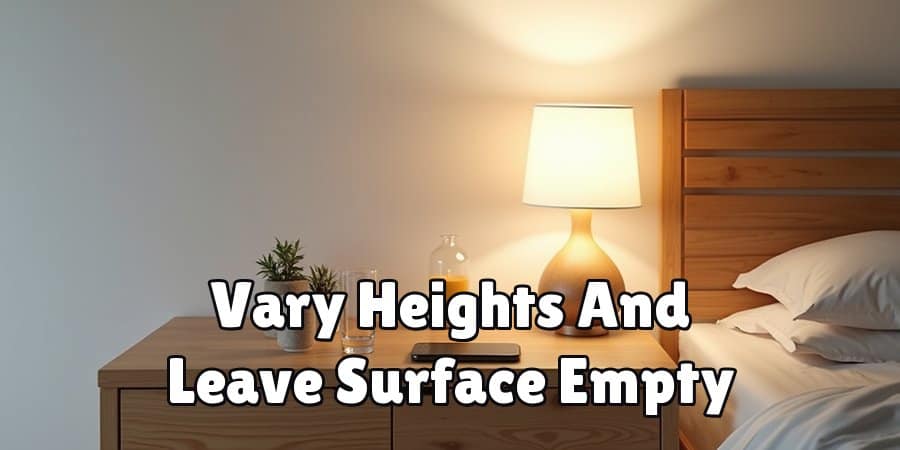
The concept that holds a well-styled nightstand together is visual balance. This involves varying the heights of objects, mixing different textures, and—this part trips people up—leaving some of the surface empty. Negative space is not wasted space. When every inch is covered, the eye doesn’t know where to settle, and the whole arrangement reads as cluttered rather than curated.
Think of the nightstand surface as a small, composed scene. Each piece should earn its place.
Tools and Materials Needed
Before styling, gather what you’ll need. Having everything visible makes it easier to assess what you’re working with and avoid mid-process trips around the house.
Measuring Tape:
Check the dimensions of your nightstand surface before selecting decor. A lamp or tray that’s slightly too large can throw off the entire arrangement.
Tray or Small Dish:
A tray provides structure by giving smaller items a designated zone. A ceramic dish works well for rings or other bedside essentials.
Table Lamp:
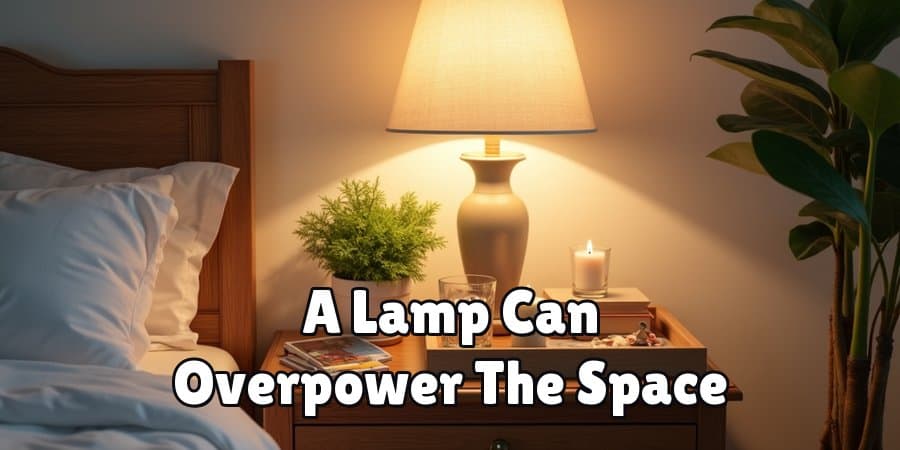
Lighting anchors the arrangement and introduces a vertical element around which everything else can be organized. Proportion matters here—too tall, and it overpowers the space, too short,t and it reads as an afterthought.
Small Plant or Bud Vase:
A single stem or a compact succulent introduces organic texture and a bit of color. Low-maintenance options tend to work best.
Candle or Diffuser:
Either one adds sensory dimension and visual interest without taking up much room.

Books or Magazines:
A small stack—two, maybe three at most—adds height variation and a sense of personality. More than that starts to look like a storage pile.
A Personal Object:
A small photo, a meaningful keepsake, a ceramic figurine. Whatever feels yours, genuinely.
7 Steps on How to Decorate the Top of a Nightstand
Step 1: Clear and Clean the Surface
Start from scratch. Remove everything from the nightstand, wipe it down, and look at it as a blank surface before adding anything back. This step matters more than it sounds—it’s hard to see what a space could be when it’s already full.
Step 2: Identify Your Functional Needs
Before placing anything, think honestly about what needs to be within reach at night. A phone charger, almost certainly. A glass of water, probably. Medication? A specific book? Knowing your non-negotiables first means the styling decisions that follow can work around them, rather than creating a surface that looks good but can’t hold a glass.
Step 3: Place Your Lamp First
The lamp is the tallest item and, in most arrangements, the structural anchor. Place it first—usually in one of the back corners—so everything else can be built around it. A lamp with an interesting base earns its place even when it’s switched off.
Step 4: Add a Tray to Create Structure
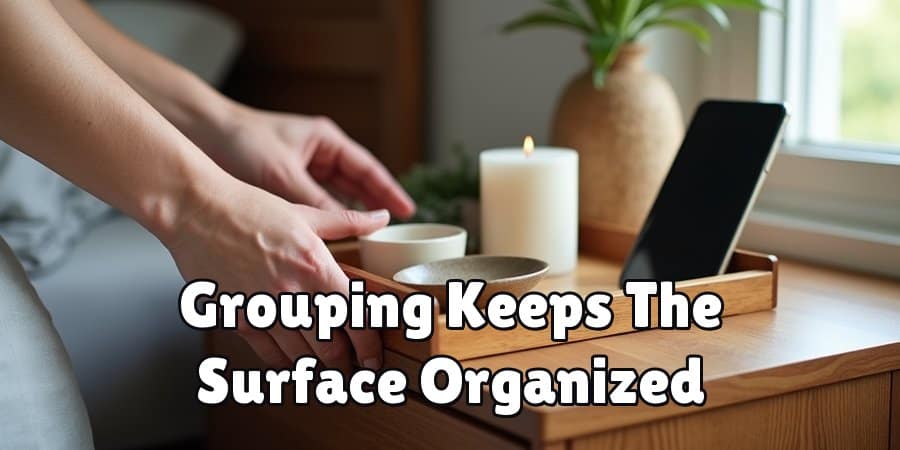
A small tray in the center or front area of the nightstand creates a visual boundary that keeps the arrangement from looking scattered. Grouping a candle, a small dish, and a phone charger inside a tray makes the surface look organized even when it holds several objects.
Step 5: Introduce Varying Heights
Flat arrangements tend to look dull. Layer by height—lamp at the back, something mid-height like a plant or candle in the middle zone, a book stack or small dish toward the front. The resulting depth is what makes a surface feel styled rather than just assembled.
Step 6: Add a Personal Touch
A styled nightstand and a generic showroom display tend to look the same until you add something specific to you. A small photo frame, a travel memento, a handmade object—something that wouldn’t appear on anyone else’s nightstand. This is usually the last thing to place, and often the most important.
Step 7: Edit and Refine
Step back. Does anything look out of place? Is there room to breathe between objects, or does it all feel tight? Editing—removing what doesn’t need to be there—is where most arrangements get noticeably better. The instinct is usually to add more; the better move is almost always to take something away.
Following these steps on how to decorate the top of a nightstand will help create a cohesive and visually pleasing space. Remember to have fun and play around with different arrangements until you find the perfect one for your nightstand. You can also switch up the decor seasonally or whenever you feel like changing things up.
Additional decorative items such as candles, picture frames, and trinket dishes can also be added to personalize your nightstand even further. Don’t be afraid to mix and match different textures, colors, and heights to create visual interest. Just make sure not to overcrowd the surface.
Common Mistakes to Avoid
Overcrowding is the most frequent problem. Once a nightstand becomes a landing spot for everything, it stops functioning as decor and starts functioning as a shelf. A close second is ignoring scale—a lamp that’s too large for the nightstand doesn’t just look off, it makes everything around it harder to style.
Mismatched decor styles can also introduce visual noise that’s hard to name but easy to feel. And then there’s the opposite failure: prioritizing aesthetics so heavily that there’s no room left for a glass of water.
How Much Will Nightstand Styling Cost?
If you’re working with what you already own, the cost may be nothing—just a rearranging exercise. For those starting from scratch, a basic setup including a lamp, a small plant, a candle, and a tray can come together for somewhere between $30 and $80, depending on where you shop.
Retailers like IKEA, Target, and H&M Home offer stylish options at accessible price points. Higher-end or artisan pieces could push the total past $150, though a beautiful result is achievable well below that.
Frequently Asked Questions
How Many Items Should I Put on Top of My Nightstand?
Three to five items is a reasonable target. This typically covers a lamp, one or two functional pieces (a phone tray, a glass), and one or two decorative objects. Keeping the count low helps the surface read as intentional rather than busy.
What Size Lamp Is Best for a Nightstand?
The ideal lamp height is generally between 24 and 27 inches from the floor to the top of the shade. The lampshade should sit at roughly eye level when you’re sitting in bed—close enough to provide a comfortable reading light without shining directly into your eyes.
Can I Decorate a Small Nightstand the Same Way as a Large One?
Yes, but scale everything accordingly. A slimmer lamp, a single bud vase rather than a full plant, a small tray instead of a large one. The same principles of height variation and negative space apply—you’re simply working with fewer and smaller pieces.
Do All the Pieces on My Nightstand Need to Match?
They don’t need to match exactly, but they should feel cohesive. Mixing materials—a ceramic dish, a wooden tray, a glass vase—tends to work well as long as the overall color palette stays relatively consistent with the rest of the bedroom.
What If My Nightstand Is Built-In or Has No Surface Space?
Wall-mounted shelves or floating ledges can serve the same styling function as a nightstand surface. Apply the same principles: anchor with a light source if possible, keep the item count low, and leave some visual breathing room between pieces.
Conclusion
A well-styled nightstand is one of those small changes that tends to have a disproportionate effect on how a bedroom feels—not because the surface itself is so important, but because intention is contagious. When one corner of a room feels considered, it tends to raise the standard for the whole space.
Start with what you already own. Apply the principles here—anchor with a lamp, create structure with a tray, vary heights, add something personal, edit until it breathes. No design background required. Just a willingness to be a little deliberate about a surface you look at every single day. Thanks for reading this guide on how to decorate the top of a nightstand.
