

If you’ve always admired the elegance of sailing and dreamed of building your own boat, learning how to build a wooden sailboat is a fulfilling challenge worth tackling. Wooden sailboats offer timeless beauty and remarkable craftsmanship that appeals to both seasoned sailors and enthusiasts looking to begin an unforgettable project. While the process may seem daunting, with proper guidance and patience, even beginners can craft a seaworthy vessel.

This article will guide you through the entire process of constructing a wooden sailboat, from selecting your design to completing the final touches. By the end, you’ll have the knowledge needed to build a boat that is not only functional but a true work of art. Set sail on your woodworking adventure, and discover the pride in turning a set of plans into a gracefully floating craft.
Why Build a Wooden Sailboat?
Building your own wooden sailboat is a project that combines creativity, skill, and a love for the water, offering unique rewards that go beyond simply owning a boat. Craftsmanship holds a particular charm—wooden sailboats are admired for their beauty, durability, and personal touch. Unlike mass-produced fiberglass boats, a wooden sailboat carries the soul of its builder, making it a deeply meaningful possession.
From an environmental perspective, using sustainable, marine-grade wood instead of synthetic materials reduces the ecological impact. Additionally, creating your own boat allows you to customize every detail—from the size and layout to the type of sailing rig—ensuring it’s tailored to fit your specific needs.
On a practical level, building a sailboat improves your understanding of marine design and navigation. The insights gained during construction translate into a deeper knowledge of how the vessel operates on the water. Finally, there’s an immense sense of pride in launching a vessel you crafted with your own hands, turning your dream of being on the water into a tangible reality.

Step-by-Step Guide: How to Build a Wooden Sailboat
Step 1: Design Your Sailboat
The first step in how to build a wooden sailboat is selecting and finalizing its design. Begin by deciding on the type of sailboat you want to construct, such as a dinghy, day cruiser, or larger yacht. Each type varies in complexity and purpose, so match your design to your skill level and intended use. For beginners, starting small with a simple dinghy design is recommended.
Choose a detailed set of plans or blueprints from a trusted boat designer. These plans outline dimensions, materials, and construction steps, ensuring every aspect of your sailboat is accounted for. At this stage, focus on aspects like overall length, width, and the type of rigging you’ll be incorporating. Careful planning and a clear design lay the foundation for a successful build and minimize mistakes later in the process.
Step 2: Gather Materials and Tools
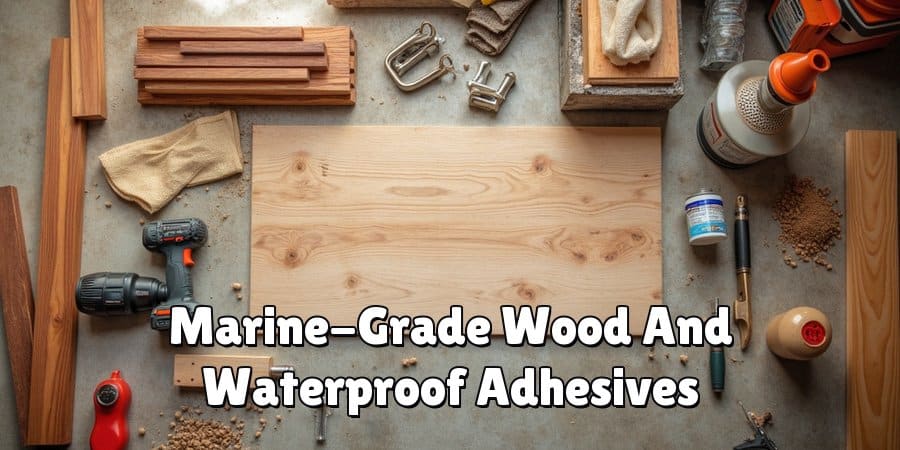
With your design finalized, gather all the necessary materials and tools. Marine-grade wood, such as mahogany, cedar, or marine-grade plywood, is essential for constructing a durable and water-resistant vessel. Invest in waterproof adhesives, fiberglass cloth, and epoxy resin for added strength and longevity. Stainless steel hardware is necessary for fixtures, as it resists corrosion in a marine environment.
When it comes to tools, basic woodworking equipment like saws, drills, clamps, and sanding tools should be on hand. You’ll also need a block plane and chisels for precision cuts and shaping. Ensuring you have the right supplies before you start will keep the project running smoothly without interruptions.
Step 3: Construct the Boat’s Frame
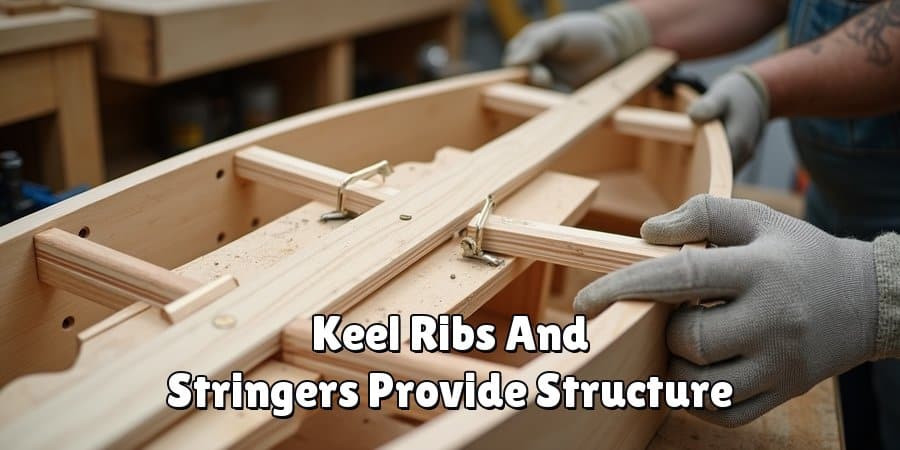
The frame serves as the skeleton of the sailboat and provides structure to attach the hull’s planking. Cut the wood according to your plan’s specifications, creating keel, ribs, and stringers. These structural components should be treated with waterproof sealants to protect them.
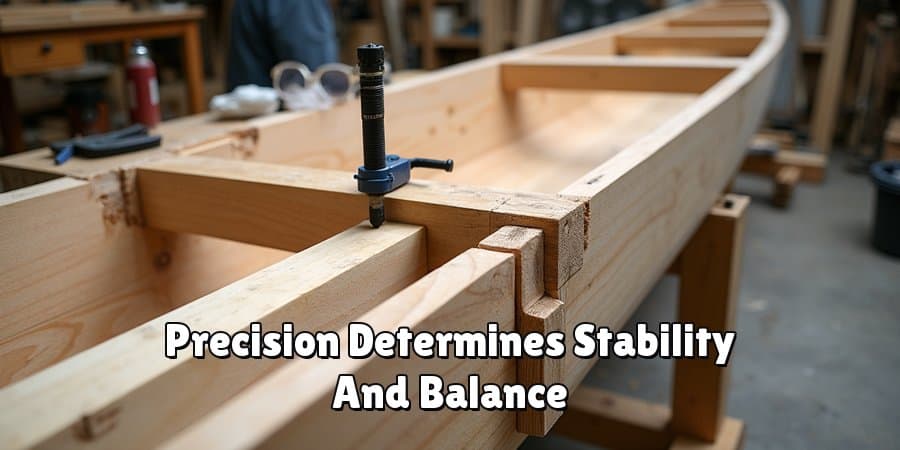
Assemble the frame by joining the pieces together with screws and adhesives, making sure everything aligns correctly. Use clamps to hold parts in place while the adhesive sets. Precision during this step determines the stability and balance of your completed boat. A sturdy frame ensures the sailboat is built to withstand the rigors of sailing while maintaining its shape.
Step 4: Plank the Hull
Planking the hull is one of the most critical steps in how to build a wooden sailboat. Begin by attaching marine-grade planks to the frame, starting from the bottom (keel) and working upward. Each plank should overlap slightly to create a watertight seal, which is crucial for buoyancy and safety.
Secure the planks to the frame using screws and marine adhesives, ensuring they contour smoothly to the design of the boat. Sand down any rough edges or uneven joints to maintain a sleek appearance. While this step requires patience and precision, properly planked hulls are what make wooden sailboats seaworthy and visually striking.
Step 5: Apply Fiberglass and Epoxy
To reinforce the durability of your sailboat, apply a layer of fiberglass cloth and epoxy resin over the planked hull. Fiberglass strengthens the wood while creating a waterproof barrier that protects against rot and damage. Cut the fiberglass cloth to size and lay it smoothly over the planks, ensuring no wrinkles or air bubbles.
Use a paintbrush or roller to apply epoxy resin, saturating the fiberglass thoroughly. Allow the resin to cure, then sand down any imperfections to achieve a smooth surface. By sealing the boat in this way, you extend its lifespan and ensure it handles well in various water conditions.
Step 6: Add the Deck and Interior
The next step involves building the deck and interior components of the sailboat. Construct the deck using marine plywood, fitting it to the top of the frame and sealing it with epoxy for added protection. Include features such as hatch openings or seating, as specified in your design.
Inside the boat, install elements like bench seating, storage compartments, and buoyancy tanks. The goal is to balance functionality and comfort while maintaining the boat’s structural integrity. Every addition should complement the design while avoiding unnecessary weight, which could affect performance on the water.
Step 7: Install the Sailing Rig
A sailboat isn’t complete without its sailing rig. This includes the mast, boom, sails, and associated rigging hardware. Begin by attaching the mast step and partners to the deck, ensuring everything is aligned and reinforced properly. Install the standing rigging, which supports the mast, and ensure all fittings are secure.
Afterward, raise and attach the sails as per your design’s instructions. Test the rigging to make sure the sails operate smoothly and are easy to manage while underway. The sailing rig is what powers the vessel, so it’s crucial to follow design and safety guidelines during this step.
Step 8: Paint and Finish
Apply a final finish to your sailboat for both aesthetics and protection. Choose marine-grade paint or varnish, depending on your preferences for color and visibility of the wood grain. A bright finish showcases the natural beauty of the wood, while paint provides a bold, uniform appearance.
Coat the boat in multiple layers, allowing each to dry completely. Sand lightly between coats to achieve a flawless finish. The combination of paint or varnish seals the wood, shields it from UV rays, and ensures the boat remains in excellent condition for years to come.
Step 9: Launch and Final Adjustments
The ultimate step in the process is launching your wooden sailboat. Transport your boat to the nearest boatyard or calm body of water and lower it gently into the water. Test for leaks, balance, and stability during the initial launch. Make minor adjustments to the rigging or hardware as needed.
Once everything is set, hoist the sails and enjoy the rewarding experience of sailing a boat you built yourself. The hours of hard work and attention to detail culminate in the thrill of seeing your wooden sailboat glide smoothly through the water.
Additional Content
Building a wooden sailboat is not only a fun and challenging project, but it also brings immense satisfaction. Many boat builders find great joy in the process of constructing their own vessel from scratch. There is a sense of accomplishment that comes with seeing your own handiwork take shape and come to life.
When you build your own boat, you have complete control over every aspect of its design and construction. You can choose the materials, decide on the layout, and make customizations according to your preferences. This level of personalization adds an extra layer of fulfillment when using the boat out on the water.
FAQ
How long does it take to build a wooden sailboat?
The time required depends on the complexity of the design and your skill level. Smaller, simpler boats might take a few weeks, while larger vessels could require several months.
What is the best type of wood for a sailboat?
Marine-grade woods like cedar, mahogany, and teak are ideal due to their durability, water resistance, and lightweight properties. Always opt for materials designed for marine use.
Do I need prior woodworking experience to build a sailboat?
While it helps to have some experience, many beginner-friendly plans include detailed instructions. Starting small and working up to larger, more complex projects is advisable.
How do I ensure my sailboat is watertight?
Using marine-grade wood, proper adhesives, and adding a layer of fiberglass and epoxy ensures your sailboat is watertight and durable. Test for leaks during the initial launch.
Can I modify the design to suit my needs?
Yes, depending on your level of expertise. However, consult your plan’s designer or a marine professional before making significant alterations to ensure safety and performance.
Conclusion
Understanding how to build a wooden sailboat opens the door to a rewarding and creative endeavor. By following these detailed steps, you’ll gain skills in craftsmanship and marine design while creating a vessel that’s uniquely yours.
Take the plunge into this fascinating process and experience the unmatched joy of sailing your carefully crafted wooden boat. The pride and satisfaction that come with building your dream sailboat are unparalleled—start your project today!
