

Decorating your office table doesn’t require a big budget or an interior designer. With the right color scheme, a few functional accessories, and some personal touches, you can transform any desk into a space that feels both productive and polished—in an afternoon.

A cluttered, dull desk does more than look uninspiring. Research from Princeton University found that physical clutter competes for your attention, making it harder to concentrate and process information. That ambient mess—the stack of papers, the tangled cords, the coffee cup graveyard—quietly chips away at focus all day long. Your workspace, however small, has a measurable impact on how you think, feel, and perform.
The good news? You don’t need to overhaul your entire office or spend a fortune to make a meaningful change. A few intentional choices—the right colors, a plant, a stylish lamp—can completely shift how your desk looks and feels. This guide on how to decorate office table walks you through seven simple, practical steps to decorate your office table in a way that reflects your personality while keeping productivity front and center.
Start With a Clean, Organized Base
Before buying a single decorative item, start from scratch. Remove everything from your desk and give it a proper wipe-down. This step isn’t purely about cleanliness—it’s about giving yourself a blank canvas. You’d be surprised how differently you see a space once it’s completely clear.
Once everything is off the desk, be intentional about what goes back on. Does this item serve a purpose, or is it just taking up space? A clean, organized base is the foundation of any well-decorated office table. Without it, even the most stylish accessories will look like clutter.

Choose a Cohesive Style Before You Buy Anything
Decorating without a clear direction in mind often leads to a mismatched, chaotic-looking desk. Before adding accessories or personal items, decide on a visual theme. A minimalist, monochrome look? A warm aesthetic with wood tones and greenery? A bold, creative setup with bright colors and eclectic pieces?
Picking a cohesive style doesn’t mean everything has to match perfectly. It means the elements on your desk should feel like they belong together. Once you’ve settled on a direction, decisions about what to add—and what to leave out—become much easier.
Add Functional Desk Accessories
Style and function don’t have to be mutually exclusive. The best office table decorations look good and actually serve a purpose: a sleek pen holder, a stylish cable organizer, a quality desk mat, a lamp with adjustable brightness. When choosing accessories, stick to your chosen style and color palette. A bamboo pen holder suits a natural, earthy aesthetic; a matte black organizer slots perfectly into a minimalist setup. Functional accessories keep your desk tidy while adding visual interest—a genuine win on both fronts.
7 Simple Steps on How to Decorate Office Table
Step 1: Declutter and Clear Your Desk Completely
Start by removing absolutely everything. Sort items into three categories: keep, store elsewhere, or discard. Only the essentials—your computer, keyboard, notebook, and a few key tools—should earn a permanent spot on your desktop. Everything else finds a home in a drawer or on a shelf.
Step 2: Choose Your Color Palette
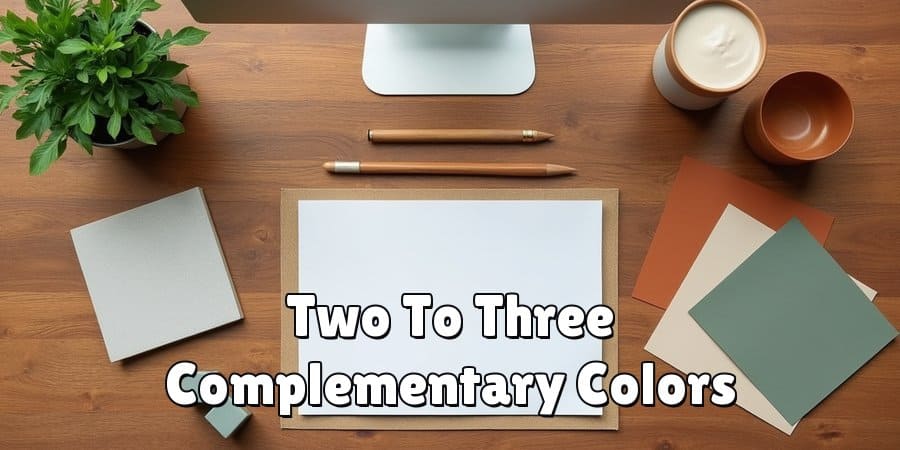
Pick two to three colors that complement each other and reflect the mood you want to create. Neutral tones like white, beige, and gray create a calm, professional atmosphere. Warmer shades—terracotta, sage green, wood brown—bring warmth and a touch of creativity. Once you’ve chosen your palette, let it guide every decorating decision that follows.
Step 3: Invest in a Quality Desk Mat
A desk mat may be the most underrated upgrade you can make. It instantly makes a setup look more polished, protects the surface, and ties the whole arrangement together. Choose one that matches your palette—leather-look mats work well in minimalist spaces, while patterned fabric mats add personality to more eclectic setups.
Step 4: Add a Plant or Two
Plants are one of the easiest ways to breathe life into a workspace. According to a study published in the Journal of Experimental Psychology, adding plants to a workspace may increase productivity by up to 15%. Low-maintenance options like succulents, pothos, or a small snake plant are well-suited to office tables—they require minimal care and hold up year-round under artificial lighting.
Step 5: Choose Stylish, Functional Storage
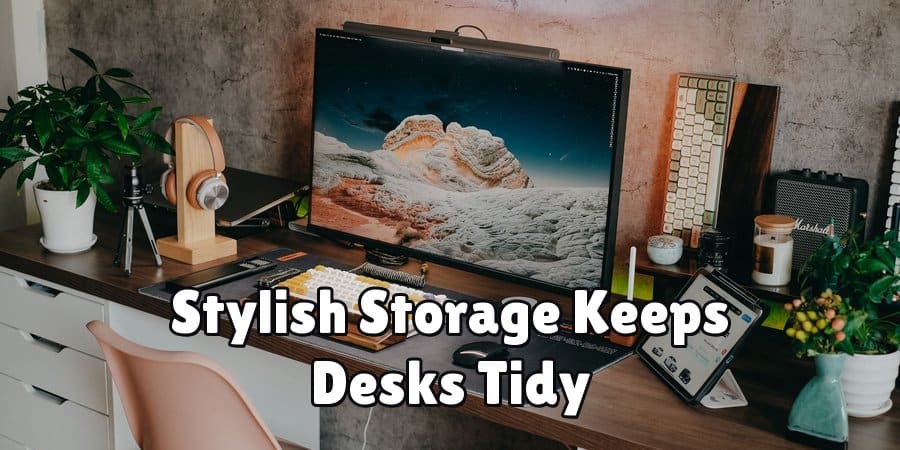
A cluttered desk appears to fragment attention before you’ve even started work. Invest in storage solutions that match your aesthetic—matching desk organizers, a small tray for loose items, a minimalist file holder. Keeping storage stylish ensures it adds to the look of your desk rather than quietly undermining it.
Step 6: Upgrade Your Lighting
Lighting is frequently overlooked, yet it makes a significant difference—both visually and practically. A well-placed desk lamp can improve focus, reduce eye strain, and add warmth to a space. Choose a lamp that complements your desk’s style: an arc lamp for a modern look, a vintage Edison bulb for a warm, creative atmosphere, or a sleek LED fixture for a clean, pared-back setup.
Step 7: Add Personal Touches
This is where your personality gets to show. A framed photo, a meaningful quote, a small piece of art, or a decorative object you genuinely love—these personal touches make a workspace feel like yours rather than a generic staging environment. Keep it to two or three items so your desk doesn’t tip back into clutter territory. The goal is a desk that feels personal, not overwhelming.
Following these steps on how to decorate office table can help create a functional and inspiring workspace.
Common Mistakes to Avoid
Even with good intentions, a few common traps are easy to fall into. The most frequent is overdecorating—adding items until the space feels busy and chaotic. More is rarely better when it comes to desk decor.
Another common misstep is prioritizing aesthetics over ergonomics. A beautiful desk that causes neck pain or wrist strain is ultimately counterproductive. Make sure your monitor sits at eye level, your chair supports your posture, and your most-used items stay within easy reach. Style should always work alongside comfort, not against it.
How Much Will It Cost?
Decorating your office table doesn’t have to be expensive. A basic refresh—a desk mat, a plant, and a few coordinating accessories—can be achieved for as little as $50 to $100. Mid-range setups with quality storage, a stylish lamp, and some art typically run between $150 and $300.
For premium accessories, a standing desk converter, or high-end decor pieces, expect to spend upward of $400 to $500. That said, many of the most impactful changes—decluttering, rearranging, or adding a single plant—cost very little. Start small, build gradually, and prioritize the changes that will make the biggest difference to your daily experience.

Frequently Asked Questions
What Are the Best Plants for an Office Table?
The best office table plants are low-maintenance and tolerate indoor conditions well. Top choices include succulents, pothos, snake plants, and peace lilies. These varieties require minimal watering, handle artificial lighting reasonably well, and add a natural, calming element to a workspace.
How Can I Decorate My Office Table on a Tight Budget?
Start with what you already have. Declutter your desk, rearrange existing items, and repurpose objects from other parts of your home. From there, small investments—a $10 desk plant, a $15 desk mat, or a few coordinating stationery items—can make a noticeable difference without significant spending.
How Do I Keep My Decorated Office Table Looking Tidy Over Time?
The key is building simple habits. Spend two to three minutes at the end of each workday resetting your desk to its baseline—put items back in their designated spots, clear any paper clutter, and wipe down the surface once a week. Consistent, small habits appear to be far more effective than occasional deep cleans.
Do I Need to Follow All Seven Steps?
Not necessarily. Each step adds value on its own, so even implementing two or three could meaningfully improve how your desk looks and feels. That said, following all seven steps tends to produce the most cohesive, satisfying result—especially if you’re starting from a heavily cluttered or undecorated space.
Does Desk Decor Actually Affect Productivity?
Research suggests it may. The Princeton University study on visual clutter indicates that a disorganized environment competes for cognitive attention, while the Journal of Experimental Psychology study on plants points to potential productivity gains of up to 15%. These findings don’t prove causation, but they do suggest that your physical environment and your mental output are more connected than most people assume.
Conclusion
Decorating your office table is ultimately about creating an environment where you can do your best work. A thoughtfully arranged desk—clean, cohesive, and personal—sets a more positive tone for every workday. Small changes tend to compound over time, and what starts as a tidier desk often becomes a more productive, more enjoyable work life overall.
You don’t need to tackle all seven steps at once. Start with one change this week—clear your desk, pick a color palette, or add a plant—and build from there. The right workspace doesn’t happen overnight, but with a little intention, it’s closer than you think. Thanks for reading this guide on how to decorate office table.
