

Your nightstand does more than hold your phone and a glass of water. It sets the tone for your entire bedroom. A well-styled nightstand can make a small room feel curated and intentional, while a cluttered one can undermine even the most beautiful bedding or furniture. The good news? You don’t need a design degree or an unlimited budget to get it right. With a few key pieces and a clear approach, you can transform this often-overlooked surface into a stylish focal point.
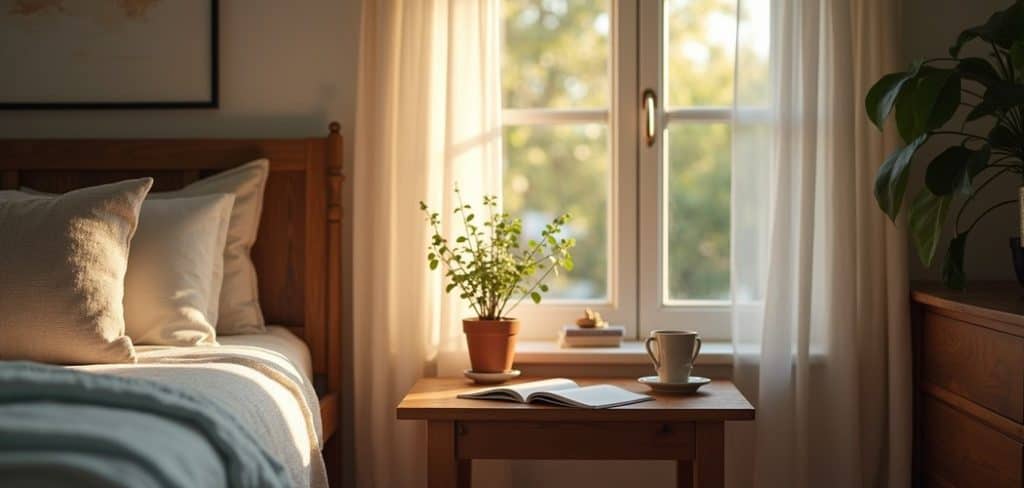
In this guide on how to style nightstand, you’ll learn exactly how to style a nightstand step by step, what tools and materials you’ll need, common mistakes to avoid, and how much you can expect to spend.
Understanding Nightstand Styling
Nightstand styling is the art of arranging functional and decorative items on your bedside table in a way that looks intentional, feels balanced, and still serves your daily needs. A great nightstand setup blends practicality with personality—it should hold the things you reach for at night while also contributing to the overall aesthetic of your bedroom.
The key principle behind good nightstand styling is balance. This means considering height, texture, and negative space. Too many items make the surface feel chaotic; too few can leave it looking bare. The goal is to find the sweet spot between form and function—where everything on the surface has either a purpose, a visual role, or ideally both.
Understanding your personal style also plays a major role here. A minimalist approach might call for a single lamp, a book, and a small plant. A maximalist style might layer in a candle, a tray, a few books, and a framed photo. Neither approach is wrong. What matters is that your choices feel cohesive and deliberate.

Tools and Materials Needed
Before you start arranging, gather the right pieces. Having these on hand will make the process smoother and help you avoid second-guessing halfway through.
Bedside Lamp
A lamp is the anchor of any well-styled nightstand. It provides both function and visual height, which is essential for creating balance. Choose a lamp that sits roughly at shoulder height when you’re seated in bed—this ensures a comfortable reading light without glare.
Decorative Tray
A tray keeps smaller items organized and gives your arrangement a contained, polished look. It also makes cleaning easier since you can lift the whole tray at once. Opt for materials like wood, ceramic, or marble, depending on your room’s aesthetic.
Books or Magazines
A small stack of books adds height variation and personality to your nightstand. Choose titles that reflect your interests or simply ones with covers that complement your color palette. Two to three books is usually the right amount.
Small Plant or Vase with Flowers
Greenery brings life and softness to a nightstand. A small succulent, potted herb, or a bud vase with a single stem adds an organic touch without overwhelming the space. It also introduces texture and color naturally.
Candle or Diffuser
A candle or reed diffuser pulls double duty—it adds visual interest and makes your space smell inviting. A simple pillar candle or a glass jar candle in a neutral scent works well in most bedroom styles.

Small Dish or Bowl
A tiny dish is perfect for holding rings, earrings, or other small items you remove before bed. It keeps clutter off the surface while still being a stylish addition. Look for handmade ceramic pieces for a personal touch.
Personal Accent or Artwork
A framed photo, a small sculpture, or a piece of art adds a personal dimension to your nightstand. This is where your individuality comes through. Keep it to one or two meaningful pieces to avoid visual noise.
7 Simple Steps on How to Style Nightstand
Step 1: Clear the Surface Completely
Start fresh. Remove everything from your nightstand and wipe it down. This gives you a blank canvas and forces you to make intentional decisions about what goes back. It also helps you see the actual size of the surface you’re working with.
Step 2: Choose Your Anchor Piece
Place your lamp first. Since it’s the tallest item, it establishes the overall height and scale of your arrangement. Position it toward the back corner of the nightstand—this frees up the front of the surface for other items while keeping the lamp within easy reach.
Step 3: Add a Tray for Structure
Place a small tray in front of or beside the lamp. This creates a defined zone for your smaller decorative items and gives the arrangement a sense of order. A tray instantly elevates the look, making a collection of items feel like a considered display rather than random clutter.
Step 4: Stack Your Books
Place two or three books either inside the tray or beside it. Stack them horizontally to create a low platform—you can place smaller items on top of the stack to add layering and dimension. Make sure the spines are visible if they’re attractive; turn them inward if they’re not.

Step 5: Introduce a Plant or Greenery
Add your small plant or vase to the arrangement. Position it where it fills a visual gap—often next to the lamp or on top of your book stack. Greenery softens the harder lines of furniture and objects, making the whole setup feel more relaxed and natural.
Step 6: Layer in Your Candle and Accent Pieces
Now add your candle, small dish, and any personal accent pieces. Vary the heights and textures as you go. A tall candle next to a low ceramic dish creates visual interest. A framed photo leaned against the lamp base adds depth. Step back frequently to check how the arrangement looks as a whole.
Step 7: Edit and Refine
Less is almost always more. Once everything is in place, remove one item. Seriously—try it. Most nightstands benefit from a little breathing room. If the arrangement still looks balanced and intentional, that item didn’t need to be there. The editing step is where good styling becomes great styling.
Following these steps on how to style nightstand will result in a visually appealing and functional space.
Common Mistakes to Avoid
One of the most frequent mistakes people make is overcrowding the nightstand with too many items, which quickly makes the surface look messy rather than styled. Another common error is ignoring height variation—when all items sit at roughly the same level, the arrangement falls flat. Avoid choosing pieces purely for aesthetics without considering function; your nightstand still needs to work for you at midnight.
Mismatched scales are also problematic, so pair larger pieces with smaller ones intentionally. Finally, neglecting the nightstand’s relationship to the rest of the room can make it feel disconnected—always style with the broader bedroom palette in mind.
How Much Will It Cost?
Styling a nightstand doesn’t have to be expensive. If you already own a lamp, you could complete the look for as little as $20 to $50 by adding a small plant, a candle, and a decorative tray from budget-friendly retailers like IKEA, Target, or TJ Maxx.
A mid-range refresh—with quality ceramics, a linen-textured tray, and an artisan candle—typically runs between $75 and $150. For a more curated, design-forward look using handcrafted or designer pieces, expect to spend $200 or more. The smartest approach is to invest in one or two quality anchor pieces, like a great lamp, and keep the rest affordable and interchangeable.

Frequently Asked Questions
Q1: How Many Items Should Be on a Nightstand?
A1: As a general rule, aim for three to five items on your nightstand. This typically includes a lamp, one or two decorative pieces, a plant or candle, and a small tray to hold everyday essentials. Any more than five items can make the surface feel cluttered, while fewer than three may look sparse.
Q2: What Is the Best Type of Lamp for a Nightstand?
A2: The best nightstand lamp is one that provides warm, diffused light at the right height—ideally, the bottom of the shade should sit at roughly eye level when you’re seated in bed. Table lamps with a soft white or warm bulb (2700K–3000K) are ideal for creating a relaxing bedroom atmosphere. If your nightstand is small, a wall-mounted sconce or a clip-on lamp can free up valuable surface space.
Q3: How Do I Style a Nightstand in a Small Bedroom?
A3: In a small bedroom, prioritize function over decoration. Choose a nightstand with built-in storage, like a drawer or shelf, to reduce surface clutter. Keep your surface items to a minimum—a slim lamp, one small plant, and a dish for essentials. Use vertical space by leaning artwork against the wall rather than framing it, and opt for a tray to keep everything contained and tidy.
Conclusion
Styling a nightstand is one of the simplest ways to elevate your bedroom without a major renovation or a big budget. By starting with a clear surface, choosing an anchor piece, layering in texture and height, and editing ruthlessly, you can create a bedside setup that looks polished every single day.
The steps in this guide on how to style nightstand give you a repeatable framework you can use every time you want to refresh the look. Start with what you already own, add one or two intentional pieces, and remember that great styling is as much about what you leave off the surface as what you put on it.
