

Table recovery is the process of clearing, sanitizing, and resetting a restaurant table between guests. Done correctly, it takes three to five minutes and involves eight key steps—from removing dishes and wiping surfaces to resetting place settings and doing a final visual check.

Running a smooth restaurant service depends on dozens of small tasks happening in the right order, at the right time. One of the most important—and most overlooked—is table recovery. Done well, it sets the stage for the next guest’s experience. Done poorly, it slows down your entire operation, frustrates customers, and reflects badly on your establishment.
This guide on how to properly recover a table at a restaurant walks you through exactly how to recover a table at a restaurant, step by step. New to the industry or looking to tighten up your team’s workflow? Either way, you’ll find practical, actionable advice that you can put to work on your next shift.
Table recovery goes well beyond clearing dishes. It’s about resetting the dining experience quickly and professionally so that every guest feels like they’re the first one to sit down. By the end of this post, you’ll know exactly what to do, what to avoid, and how to make the process second nature.
When Is the Right Moment to Start Recovering a Table?
Timing matters more than most people realize. Clear a table too early—while guests are still finishing their meal or mid-conversation—and you risk making them feel rushed or unwelcome. Leave a messy table sitting idle during a busy service, and you’re bleeding time and potential revenue.
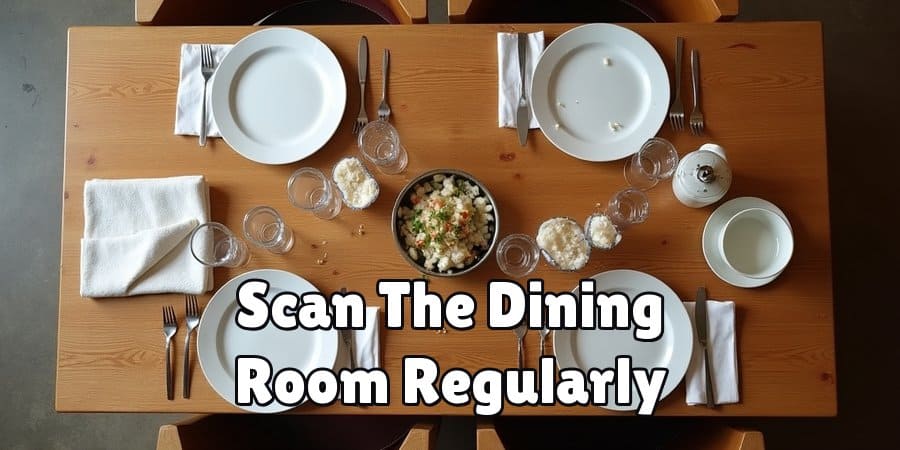
The general rule: wait until all guests have finished and either left or clearly signaled they’re ready to go. Once the table is vacant, move quickly and with purpose. Every minute a dirty table sits unattended is a minute a new guest is waiting to be seated. Train yourself—and your team—to scan the dining room regularly so that no table sits unclaimed longer than it needs to.
How to Clear Used Items Without Slowing the Room Down?
Speed and organization are the two pillars of efficient table clearing. Before you approach the table, have a tray or bus tub ready. Start by removing the largest items first—plates, bowls, and serving dishes—then work your way down to smaller items like glasses, cutlery, and condiment containers.
Stack plates carefully to avoid breakage and reduce the number of trips back to the kitchen. Never overload a tray to the point where it becomes unstable. A dropped tray wastes time, creates a safety hazard, and disrupts the atmosphere of the entire room. Stay organized, keep your movements quiet, and avoid becoming a distraction to guests at neighboring tables.
8 Simple Steps on How to Properly Recover a Table at a Restaurant
Step 1: Assess the Table Before Approaching
Take a quick look at the table from a distance before walking over. Note how many items need to be cleared, whether any spills are visible, and if anything has been left behind—jackets, bags, personal items. This brief assessment helps you arrive prepared and avoids unnecessary back-and-forth trips.
Step 2: Remove All Food and Beverage Items
Begin by collecting all plates, glasses, cups, and serving items. Work from the outside of the table inward, stacking plates neatly on your tray or bus tub. Remove leftover food, bread baskets, butter dishes, and condiments that were placed out specifically for that party. Be thorough—even small items like sugar packets or used creamers should be cleared at this stage.

Step 3: Clear Linen or Dispose of Paper Covers
If your restaurant uses tablecloths or linen napkins, remove them carefully and set them aside for laundering. Check underneath for any items that may have slipped beneath the linen. Paper table covers or disposable placemats should be removed and disposed of now. This step prepares the surface for a proper wipe-down.
Step 4: Wipe Down the Table Surface Thoroughly
Using a clean, damp cloth or sanitizing wipe, clean the entire table surface. Pay close attention to edges, corners, and any spots with visible residue or crumbs. Use a food-safe sanitizing solution that meets your local health department’s standards. Once wiped, allow the surface to air-dry briefly or use a dry cloth to finish. A clean, odor-free surface is non-negotiable.
Step 5: Check and Clean the Chairs
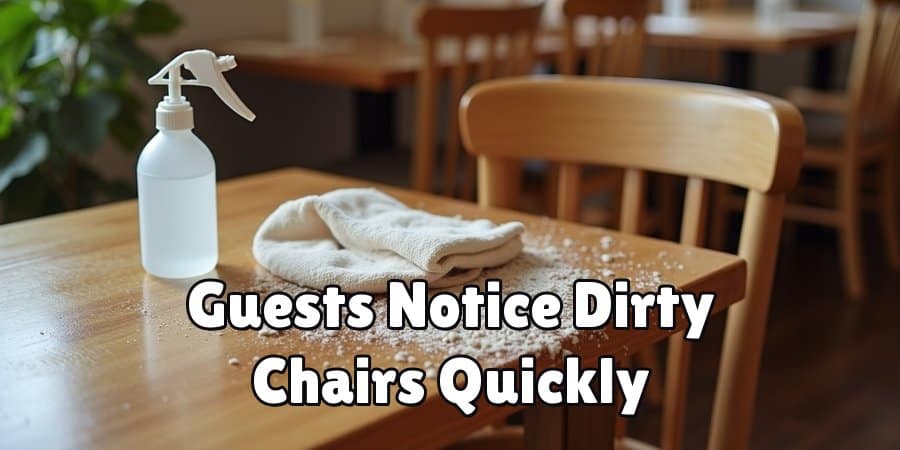
Guests notice dirty chairs just as quickly as dirty tables. Wipe down the seat, backrest, and armrests of each chair. Check for crumbs, food residue, or spills on the upholstery. If a chair has visible staining, flag it for a deeper clean between services. Push the chairs back into their proper position once cleaned, ensuring a neat and uniform appearance.
Step 6: Reset the Table Settings
This is the step that transforms a cleared table into a welcoming one. Lay fresh linen if applicable, then set the table according to your restaurant’s standard layout—placemats or charger plates, neatly folded napkins, polished cutlery, clean glassware, and any standard condiments or centerpieces. Follow your restaurant’s specific table setting guide precisely. Consistency matters more than speed here.

Step 7: Replace Condiments and Centerpieces
Refill or replace any condiments running low—salt and pepper shakers, hot sauce, soy sauce. Wipe down the exterior of condiment bottles and check that lids are clean and tightly sealed. Replace the centerpiece, whether it’s a candle, a small floral arrangement, or a branded display, and ensure it looks fresh and presentable. These small details tend to leave the strongest impressions.
Step 8: Do a Final Visual Check
Before you walk away, take one last look at the table from the guest’s perspective. Stand at the entrance to the table and scan everything: the linen, the settings, the centerpiece, the chairs. Is everything symmetrical and properly aligned? Are the glasses spotless? Is the table surface completely clean and dry? This final check takes only a few seconds—but it’s often the difference between a table that looks passable and one that genuinely impresses.
Following these steps on how to properly recover a table at a restaurant, you can ensure that your guests have a pleasant and visually appealing dining experience.
Common Mistakes to Avoid During Table Recovery
Even experienced restaurant staff can fall into habits that slow down table recovery or compromise the guest experience. Awareness of these pitfalls is the first step toward eliminating them.
The most frequent mistakes are clearing a table before all guests have finished, using the same cloth to wipe multiple tables without sanitizing in between, skipping the chairs entirely, and resetting without following the restaurant’s standard layout. Rushing through the sanitization stage in particular can lead to complaints, negative reviews, and, in more serious cases, health code violations.
One mistake that’s easy to overlook is neglecting to check for items left behind. Guests sometimes leave phones, glasses, cards, or keys on or near their seats. A quick scan before and after clearing ensures that anything found is handed to management rather than accidentally discarded. Small habits like this build trust and contribute to a restaurant’s reputation far more than any marketing campaign could.
Frequently Asked Questions
How Long Should It Take to Recover a Table at a Restaurant?
The time depends on the size of the table and the number of items to clear. On average, a standard two- to four-person table should take between three to five minutes to fully clear, sanitize, and reset. During peak service hours, working efficiently without rushing the process is key to maintaining both speed and quality.
What Cleaning Products Are Safe to Use on Restaurant Tables?
Always use food-safe, EPA-approved sanitizing solutions that meet your local health department’s requirements. Avoid harsh chemicals that may leave a strong odor or residue on the surface. A diluted bleach solution or a commercially available quaternary ammonium sanitizer is a common option in the foodservice industry. Check with your restaurant manager for the specific products approved at your establishment.
Should Table Recovery Be Done by One Person or a Team?
Both approaches work depending on your restaurant’s size and staffing. In larger, high-volume establishments, table recovery is often divided between a busser who clears and cleans, and a server who resets. In smaller restaurants, one person may handle the entire process. Regardless of how the responsibility is divided, clear communication between team members ensures the process runs smoothly, a nd no steps are missed.
What Should You Do if a Guest Has Left Personal Items Behind?
Do not move or discard personal items—hand them directly to a manager or designate a secure lost-and-found location. Note where the item was found and, if possible, which table the guest was seated at. Many restaurants keep a log of lost-and-found items to help reunite guests with their belongings.
How Does Table Recovery Affect Guest Satisfaction?
Research in the hospitality industry suggests that physical cleanliness is one of the top factors guests use to evaluate a restaurant—often more influential than food quality alone. A poorly recovered table can undermine an otherwise excellent dining experience, while a well-reset table reinforces confidence in the establishment before a word has been exchanged.
Conclusion
Table recovery may appear routine, but it shapes how guests perceive the entire establishment—before they’ve even ordered. A well-recovered table signals professionalism, cleanliness, and attentiveness. Guests notice. They may not articulate it, but they feel it.
By following these eight steps on how to properly recover a table at a restaurant consistently, your team can turn tables faster, reduce errors, and ensure that every guest walks into a space that feels genuinely fresh. The process becomes second nature with repetition, and when every team member follows the same standard, the results tend to speak for themselves.
Start applying these steps on your next shift. Share them with your team. Make table recovery a point of pride rather than just another task to tick off. Great service begins before the guest even sits down.
